
Chaos Theory navigates complexities of AI and robotics at work with a light romance on the side
Chaos Theory by Sylvia Leatham lightly bites into AI and robotic ethics while serving up a dash of romance in this workplace-focused novel. While it didn’t deliver what I immediately suspected — primarily romance — it ended up being a much more interesting read due to its deviation from a standard formula.
Chaos Theory: an overview of the book
In Chaos Theory, Maeve works for Go Ireland, a tourism-focused marketing agency helping people plan visits to Ireland. The book’s opening establishes her relationship, or situationship, with Shane from work. Maeve isn’t really committed to work or relationships at the start of the book. However, she quickly establishes she wants to find something/someone that helps her feel steady or more engaged in the workplace and in romance.
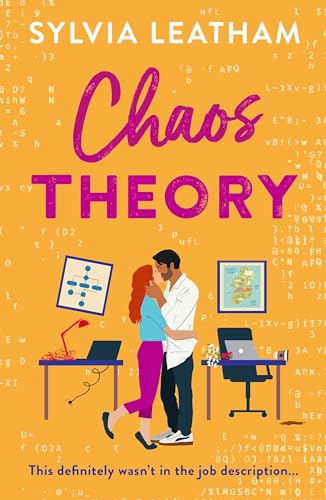
Enter Kobi, a workplace robot with artificial intelligence who needs to work on his “soft skills,” communicating and establishing something like personal connections with his co-workers.
A really unique feature of this book is that multiple chapters are written from Kobi’s perspective. They lend a lot of emotional development to his character. When coupled with Maeve’s burgeoning understanding of Kobi as both a robot and something more, it sets the stage for key events in the book and for — hopefully — generating independent thoughts about the nature of robotic and/or AI interpersonal relationships.
Thoughts on Chaos Theory
As Kobi navigates office life at Go Ireland!, he hits a few major speed bumps, enjoys some successes, and ultimately starts to integrate into the team. Along the way, he becomes much more than anticipated. This introduces a twisty, unexpected ending to the book.
For romance, readers are left to wonder if Maeve’s office situationship with Shane will stand the competition brought in by Kobi’s creator, Josh. While the development of both of these relationships occupies real estate in the book, any romantic angle pales in comparison to the time and lift of navigating the workplace with Maeve and Maeve and Kobi as a duo.
The love triangle is also a bit squashed.
I would have preferred to witness more development of these relationships or to have avoided a love triangle at all given the added complexity of Kobi. I think the book would have read better this way.
This minor consideration aside, I still enjoyed the book and the thoughts it inspired surrounding AI in the workplace. Just avoid going into Chaos Theory expecting a well-developed romance arc.
My review is based on a Net Galley advanced reader’s copy, and this post contains affiliate links to Amazon. All thoughts are my own.